Loading document...
May 2009
Client:
Port Erin Bowling Club
Breagle Glen Port Erin Isle of Man
MacOwan Collett Consulting Engineers
Linda House 4 Mona Terrace, Finch Road, Douglas Isle of Man IM1 3NA
Tel: 01624 624738 01624 624822 Fax: 01624 624243 e-mail: [email protected]
SECTION 1.0 INTRODUCTION SECTION 2.0 THE SITE SECTION 3.0 PLANNING HISTORY SECTION 4.0 ALTERNATIVE LIGHTING SCHEME SECTION 5.0 CONSULTATIONS SECTION 6.0 COMMENTS AND CONCLUSIONS
MacOwan Collett Consulting Engineers were instructed by Port Erin Bowling Club (the Applicant) to prepare and submit a Planning Application for an alternative lighting scheme for the bowling green at Breagle Glen, Port Erin. The design and layout of the alternative lighting scheme is based on a proposal prepared by Philips Lighting Solutions, Philips Centre, Guildford Business Park, Guildford, Surrey.
The purpose of this statement is to summarise the procedures undertaken in the preparation of the Planning Application.
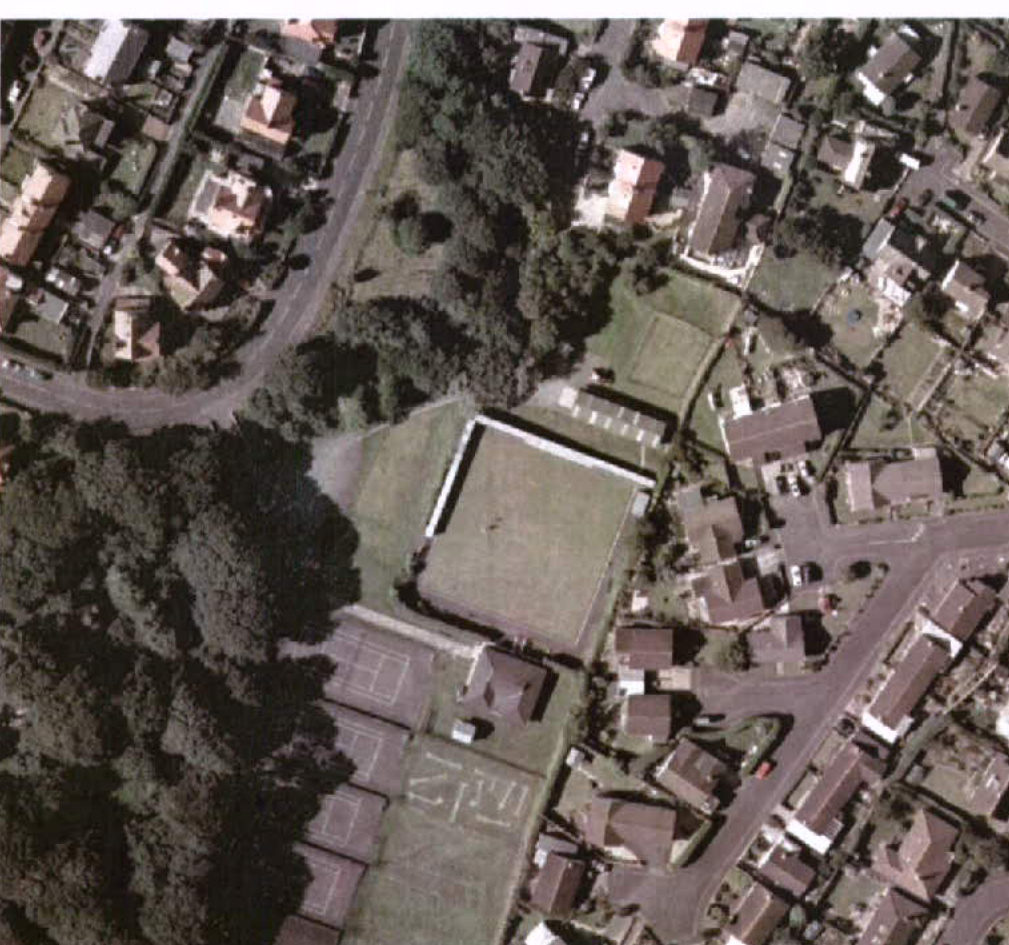
The site is the bowling green, which extends to approximately in area and is within the public recreation area of Breagle Glen in Port Erin.
The site is designated as open space in the Port Erin Local Plan 1990. The Applicant leases the bowling green from the Commissioners of Port Erin but does not have sole use/rights of the recreational facility.
It is understood that the bowling green was created in 1983 and outdoor lighting was first installed in 1988.
Port Erin Bowling Club has 74 members who, together with approximately 300 visiting players, use the green annually for a period of six months from the beginning of April until the end of September. The green is closed for the remaining six months.
A Site Location Plan Ref: P.1083/01 showing the bowling green outlined in red is included with the application.
The original lights, which consisted of metal scaffolding tubes with two spotlights bracketed to a cross member on the top, were located at the four corners of the green. It is understood the tubes projected 7.7 m (approximately 25 ft ) above ground level. The original lights were permitted under Planning Approval 88/1645 and 91/0712.
Due to deterioration of the metal tubes and lights in the harsh marine environment and concerns raised regarding health and safety, the lights were replaced in 2007 by The Applicant. The replacement lights are single 1 kW lamps fixed to a tubular base hinged column. The new asymmetric 1 kW lamps are recommended for outdoor sports facilities such as a bowling green.
As the four replacement lights were in the same locations as those approved under PA 88/1645 and PA 91/0712, were only marginally higher (by 300 mm ) and with one lamp instead of two provided at each column head, the Applicant was not aware that a new Planning Application and Approval was required.
A retrospective planning application for the retention of the replacement lights was submitted in April 2007. The application was refused on 14th March 2008 and confirmed in the notice issued on 17th March 2008.
The Applicant appealed the refusal decision, however, the appeal was dismissed, by the Independent Planning Inspector, following an inquiry held on 24th June 2008.
Following the refusal of the previous application and the dismissal of the subsequent appeal the Applicant sought advice from Philips Lighting Solutions on alternative lighting arrangements for the bowling green, which would address the two main areas of concern identified by the Planning Inspector in his report on the previous application, namely: (a) the potential light pollution (b) the visual appearance of the posts from neighbouring dwellings
Philips advised that the most effective method of illuminating the bowling green is by positioning the lights in the four external corners. However, cognisant of the affect the lights in these positions have on the neighbouring properties, particularly Nos. 27 and 28 Sunnydale Avenue, Philips Lighting Designer prepared an alternative scheme that provided sufficient surface illumination for the bowling green, whilst significantly reducing the potential light pollution.
The alternative scheme provides two lights (Nos 1 and 2) on the east side directed to shine west over the green and away from Nos. 27 and 28.
Light No. 3 to be located on the south side 14.0 m from the south west corner and directed to shine north-east over the green away from Nos. 27 and 28.
Light No. 4 to be located on the north side, 10.0 m from the north west corner and directed to shine south west over the green away from No. 27 and 28.
The hinged columns are 8.0 m high ( higher than the original) and the single lamps are 1 kW as per the scheme refused at appeal.
To address the visual appearance of the columns from neighbouring dwellings light Nos. 1 and 2 will be raised and maintained in the vertical position at the beginning of April for a period of six weeks and lowered to the horizontal position ( 1.0 m above ground level) by mid May. Both these columns will be raised again to the vertical position in mid August for a period of six weeks and lowered to the horizontal position at the end of September.
It is proposed that lights Nos. 3 and 4 be retained in the vertical position permanently. The Planning Inspector's report on the appeal concluded that the two lights at the western side of the green are not visually intrusive from the rear gardens or dwellings of Nos. 27 and 28.
The lights will be used from 1st April until mid-May and again from mid-August to 30th September from 6.30 pm until 9.30 pm during club and competition nights only.
The lights are not required during the period mid-May to mid-August as there is sufficient daylight up to 9.30 pm to play bowls. The Commissioners close the bowling green from 1st October to 1st April.
During the preparation of this alternative proposal the following parties have been consulted:
The Owner of No. 28 Sunnydale Avenue, Mr Haley, was contacted by telephone at the outset of the redesign process, regretfully, he declined to take part in any discussion on the matter or to have any input in the alternative design scheme.
Mr Hendriksen has been co-operative during the investigations and preparation of the alternative lighting scheme and suggestions made by him have been incorporated, where possible, in the design. Mr Hendriksen has indicated his approval to the current alternative proposal.
It is understood that Mr Hendriksen has kept his neighbour, Mr Haley, informed of the discussions that took place and design proposals put forward for consideration during the development of the alternative scheme.
The owner of No 25 Sunnydale Avenue, Mrs Dent, did not object to the previous scheme, however, to ensure unanimity she was shown a copy of the alternative scheme and the rationale behind it was explained to her. Mrs Dent conferred with her neighbour Mr Hook of No. 24 Sunnydale Avenue, who is a member of the bowling club. They both appreciated being given the opportunity to review the alternative scheme and had no objections to the proposals.
A draft of the alternative scheme was discussed with the Planning Officer and Clerk to the Commissioners. Miss Corlett expressed concern that the two lights on the eastern side of the green were more intrusive to Nos. 27 and 28 than the previous scheme. However, this concern has been addressed by limiting the period in which the columns are in the vertical position. Furthermore, light No. 2 will be partially screened by the trees growing on the boundary at the rear of No. 28 .
In addition to the issues of the potential light pollution and visual appearance of the columns, Mr Kewley expressed concern regarding the health and safety of the Commissioners staff climbing over the columns when in their lowered position. Locating column Nos. 1 and 2 parallel with the eastern boundary of the site and remote from the access path used by the Commissioners staff has eliminated the hazard.
Philips Lighting Designer has advised that the alternative positions for the lights will alter the minimum surface illumination in certain locations and may cause the lengthening of strong shadows when playing towards the west side of the green. The Applicant confirmed their acknowledgment of these constraints.
The Lighting Designer also advised that the use of arm extensions on the columns would have little gain for surface illumination and could increase problems of stress and overturning due to the additional weight affecting the hinged column. Furthermore, the lowering of the column height, whilst reducing the spill light, will make the uniformity worse and increase the peak illumination below the columns. Philips do not recommend this course of action.
In his Appeal Report the Independent Planning Inspector concluded that consideration has to be given to the continued use of the bowling green through the use of floodlights.
The original lights, which were non-proprietary locally fabricated fittings, were no longer fit for purpose and considered a health and safety hazard. The replacement lamps and columns are proprietary fittings from the Philips outdoor lighting range and are purposely designed for applications such as bowling greens.
Whilst recognising the issues of potential pollution and visual appearance with the previous scheme, this alternative lighting proposal has been designed to ensure that both the requirements of the bowling club and the rights of the local residents are respected.
It is considered that the alternative lighting scheme satisfactorily addresses the potential pollution and visual appearance of the columns, the main issues for dismissing the previous application on appeal. In addition, the Applicant and Lighting Designer have endeavoured, where possible, to reduce the impact of the lighting on neighbouring residents and their dwellings.
Signed
Patrick C Collett FBEng
Copyright in submitted documents remains with their authors. Request removal
View as Markdown