Loading document...
JBA Technology
4.1 Property plan The plan below shows the outline of the property, with threshold and ground levels. {{image:219696}}
JBA Kontorlins
4.2 Potential Ingress routes
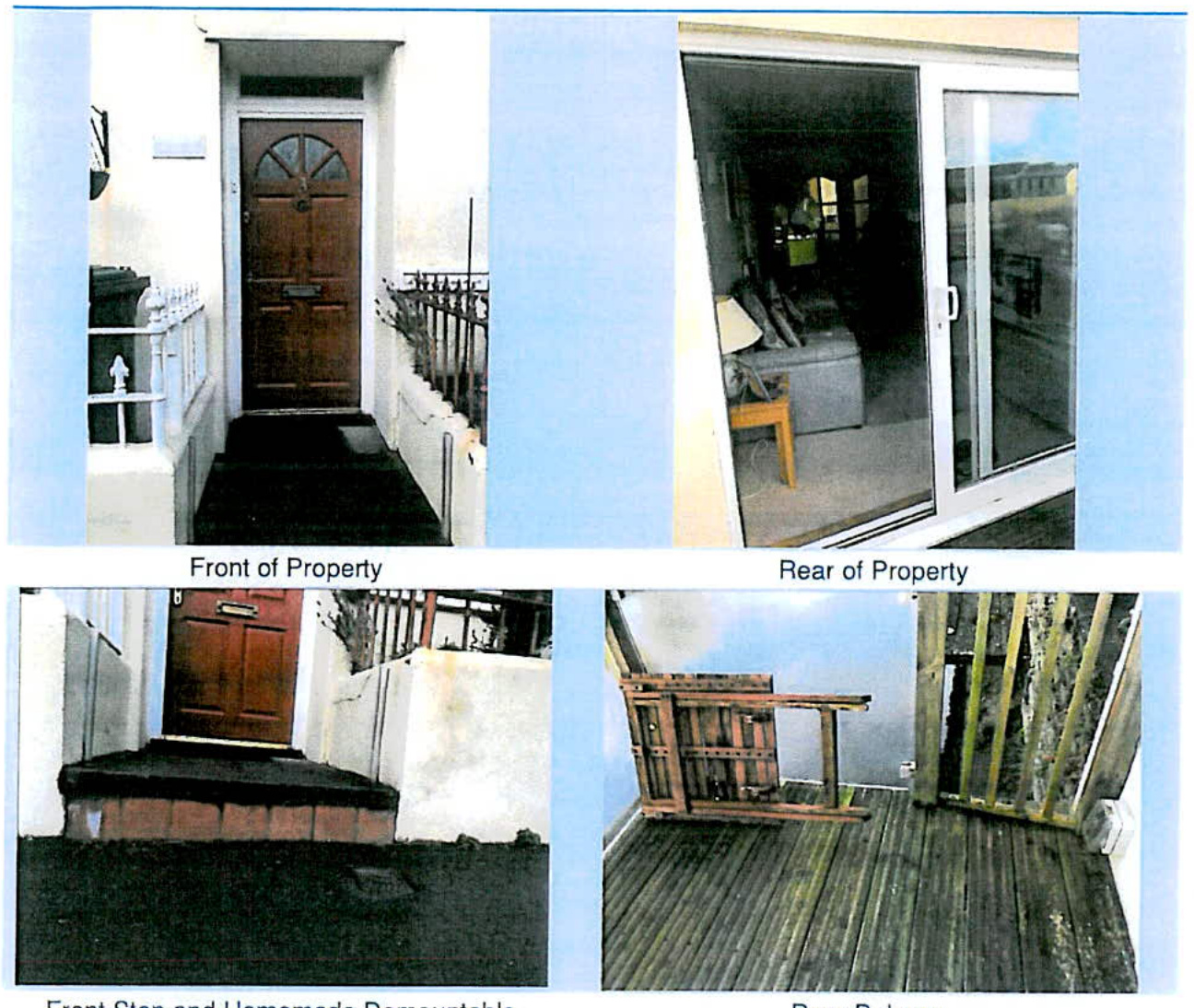
Doorways There are 2 external doorways (front and rear) which could potentially present direct ingress routes for floodwater, however, they are raised above ground level and all previous flood levels.
Flooring The ground floor is formed in concrete. No issues of water coming through the floor has been reported. It is understood that the historic cellar has been filled at some stage in the 90's. flood water could potentially enter the building via seepage into the cellar and then through the concrete floor if it is damaged or in poor condition.
Airbricks and air vents There are no airbricks or air vents located around the building perimeters.
Walls Although the condition of the external walls of the property are considered to be in good condition, if flood water were to remain in contact for an extended period of time it may seep through and enter the property. This is especially true for any areas where the pointing and stonework has degraded.
Foul drainage Inundation of the foul drainage may cause sewage to back up along the system, resulting in internal flooding, however, no issues have been reported and there is no downstairs toilet.


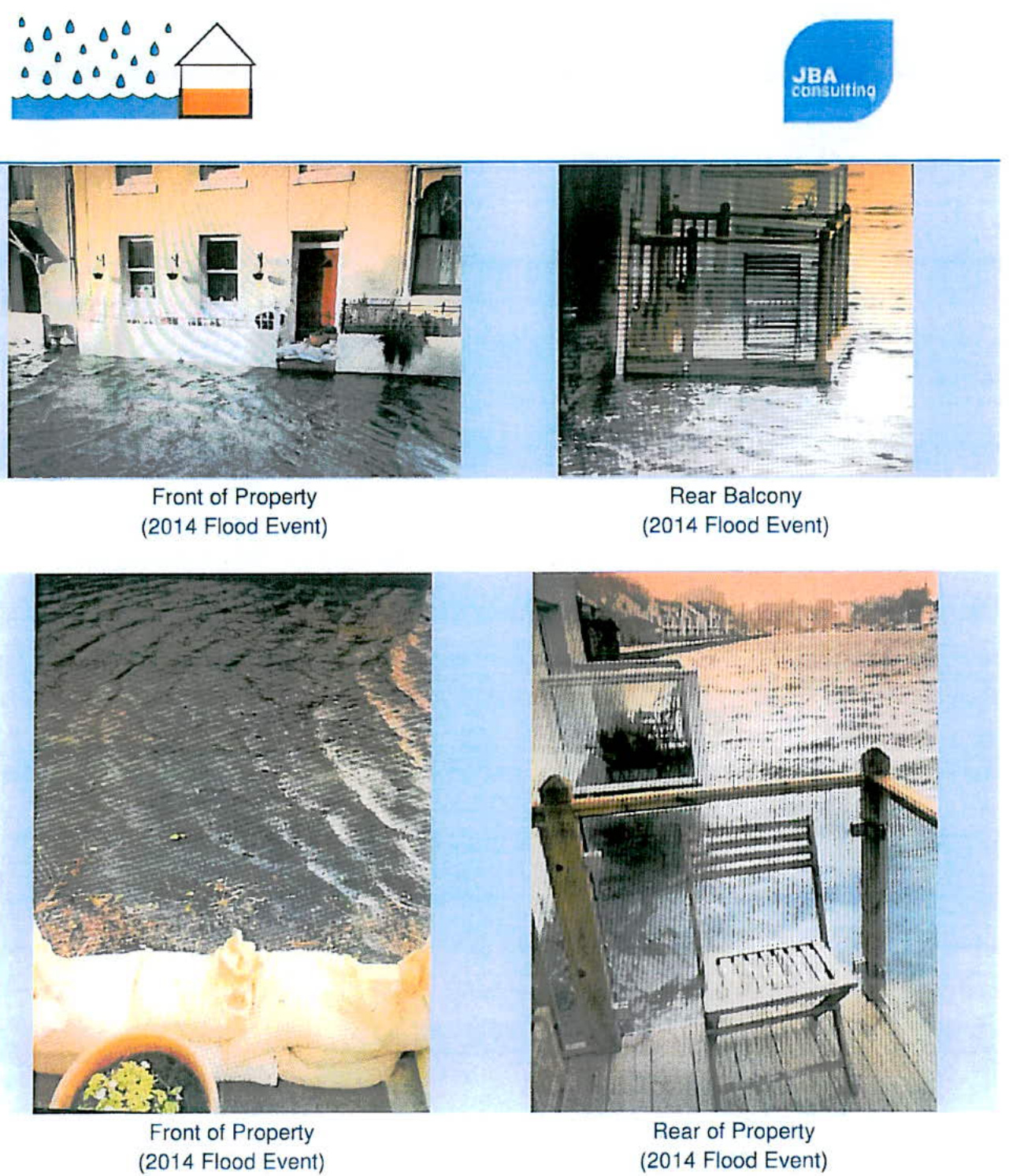
The homeowner reported there has been no internal flooding. Following previous flood events, the homeowner installed a homemade demountable flood barrier to the front gate to limit water ingress towards the front threshold. The homeowner also reported damp patches appearing during the 2014 flood event in the front room on the external wall. The front of the property has a wall containing a raised flower bed. This wall ties into the property wall and it was this area where damp appeared as water can pond against the house in this area. The external rendering to the building may be hiding damaged sections of brick work or pointing.
JRA Londusing
Front Step and Homemade Demountable Barrier Frame
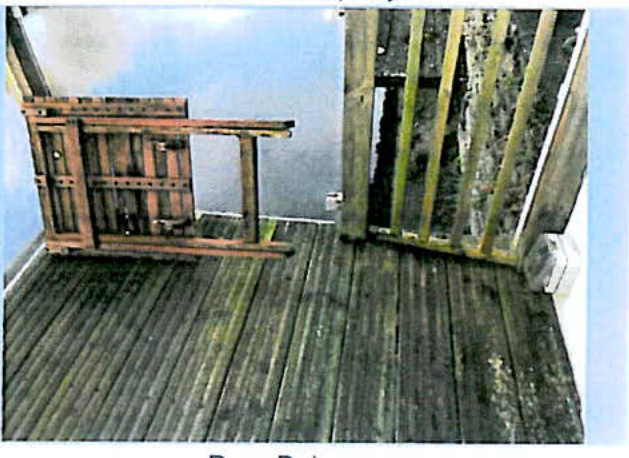
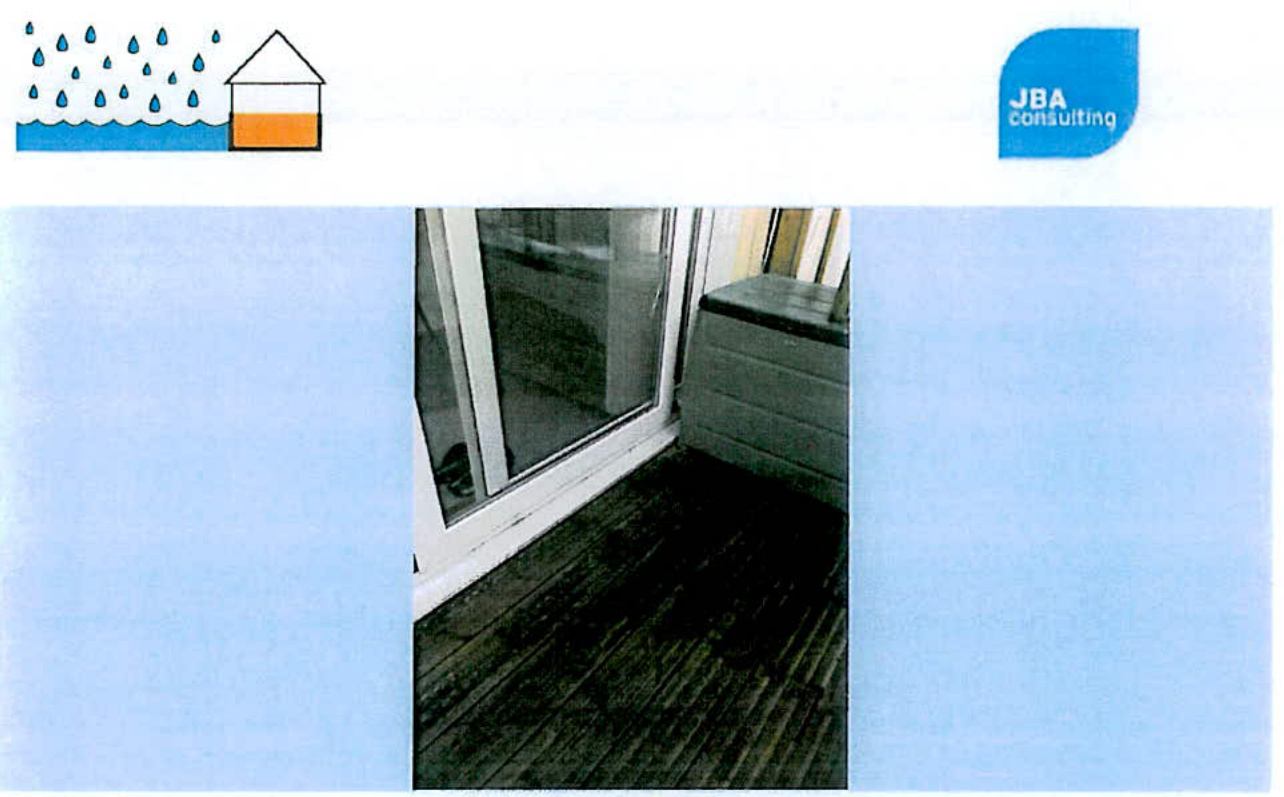
Rear Balcony
Front Wall (tying into the property wall)
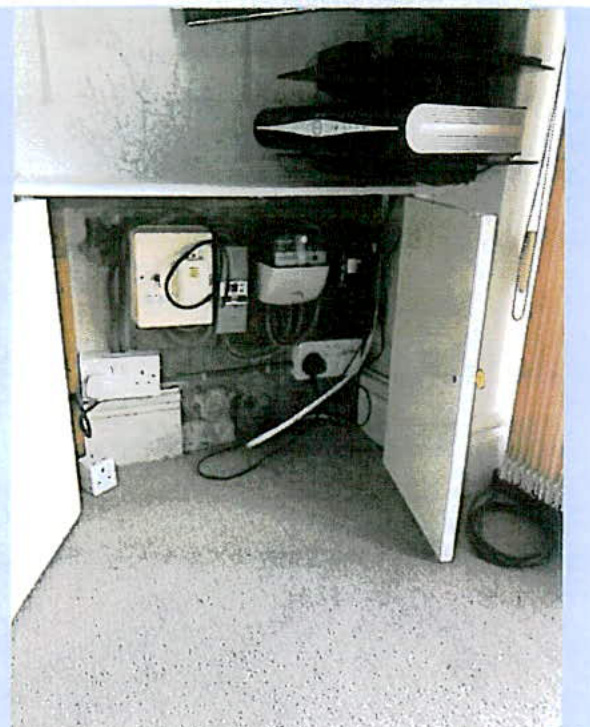
Low Level Electric Meter and sockets
Front of Property (2014 Flood Event)
Rear of Property (2014 Flood Event)
Rear Threshold At balcony level - this could cause issues for demountable flood barriers
Property level flood protection options have been assessed. The primary intention is to develop a cost-effective and practical range of property level flood protection options within the immediate curtilage of the property, to help mitigate and reduce the effect of flooding. The focus has been on assessing means to increase the flood resilience of the property as well as restrict the entry of floodwater into the property (flood resistance) using proprietary measures available through reputable suppliers. This property is constructed from single skin Manx Stone with concrete ground floors, and there is a risk of flooding above the threshold level.
JBA Consulting surveyed the property to establish the appropriate height to which flood mitigation measures can be provided. The Department for Environment, Food and Rural Affairs' best practice guidance for Property Level Protection states that product selection should prioritise measures which bear the BSI Kitemark. All BSI Kitemark products have been tested and their performance confirmed up to maximum depths of 900 mm . Research carried out for the Department for Communities and Local Government (DCLG) and the Environment Agency has recommended that the use of resistance measures should generally be limited to a nominal protection height of 600 mm above ground level: the lowest point of ground abutting the external property walls. This is because the structural integrity of the property may be compromised above this level, which also increases the risk of cracks and leaks. It should be noted that the flood mitigation measures described would not be expected to cause an increase of flood risk to other properties or other parts of the local community. They will help mitigate against flood risk but, as with any flood alleviation scheme, flood risk cannot be removed completely. Emergency plans should be in place that describe the installation of measures but also take note of, and prepare for, the residual flood risk that remains. Information on preparing a personal flood plan is provided in section 10.2 . It should be noted that the options described here are outline, for further discussion and agreement between the owner and appointed supplier/installer. Further agreement will also be needed with the appointed contractor concerning the specifics of any installation works. It is the responsibility of the contractor to ensure that all installations and modifications to the property are compliant with all relevant regulations, standards and guidance.
The list below presents a number of options the owners could take to reduce the impact of flooding to the property. The list has been separated into flood resilient measures and flood resistant measures although a combination of options may provide
JRA Conducting the best way forward. Flood resilient measures will be effective independently of any other measures employed. Property owners may choose one or more of these measures depending on the preferred use of funds. The efficiency of flood resistance measures relies on a package of measures being employed to restrict flood water entering the property through the various possible entry routes discussed in section 4 above. Flood resistance measures have therefore been grouped together as one suite of measures with options to protect a specific entry point where applicable (for example the use of flood doors and door barriers).
The following is a list of flood resilient repair options that can be considered to help reduce the damage once floodwater enters the property.
It will be important to continue with any practices for protecting furniture, carpets, electrical goods, personal belongings and documents to safeguard such items in the event that water does enter the property.
Further information is available from: www.nationallfloodforum.co.uk
In addition to flood resilient repairs, flood resistance measures can be used to limit water entry into the property.
It is noted that the rear door is a double width sliding patio door. Fitting a demountable barrier would require a bespoke design due to the level of the frame being slightly above the wooden decking. Replacement flood doors could be fitted but they would be an 'opening door' rather than 'sliding doors'. The issue with installing flood barriers is that the barriers need to fit within a metal frame. The instillation of this frame would clash with the current level of the decking and its supporting beams. In order to install the barrier, the decking may have to be removed first. It should be noted that flood doors are stiff to open. The nature of the door frames can also introduce a trip hazard unless designed appropriately.

JBA

Copyright in submitted documents remains with their authors. Request removal
View as Markdown