Loading document...
Mr & Mrs D. Burns
Jurby Water Gardens
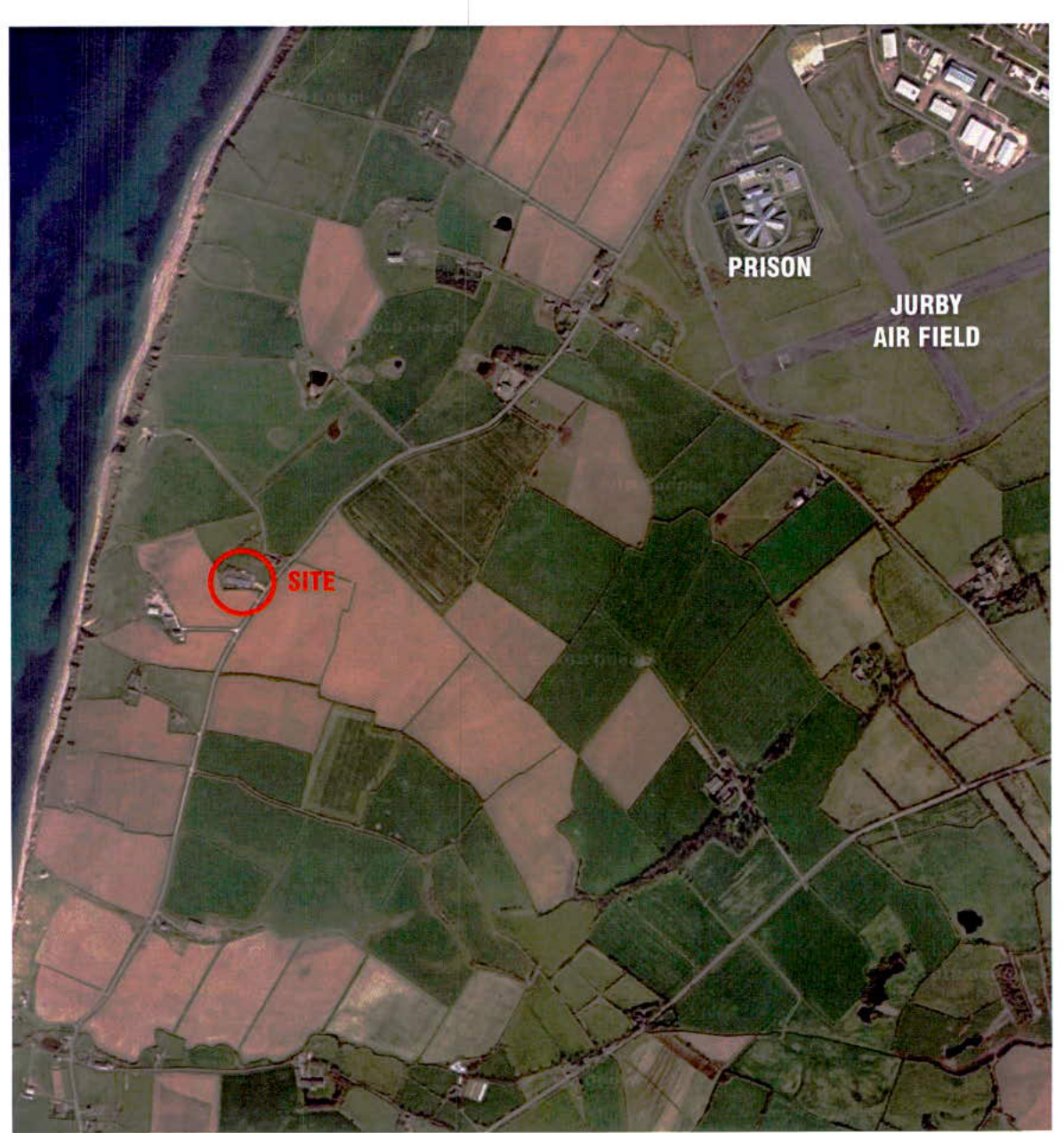
The proposal is located on the site of 'Jurby Water Gardens', a now closed Garden Centre to the south of Jurby in the north west of the Island.
The site is situated alongside the A10 Jurby 'Coast Road', to the west (seaward) side of the road. The topography of the area is a relatively flat, rolling green landscape, bordered by the sandy cliffs dropping into the sea to the west and far in the distance to the east, the rising central hills.
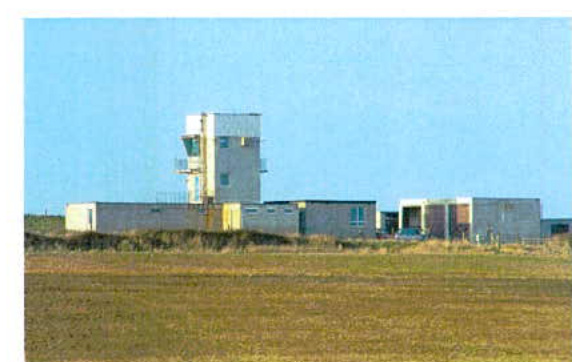
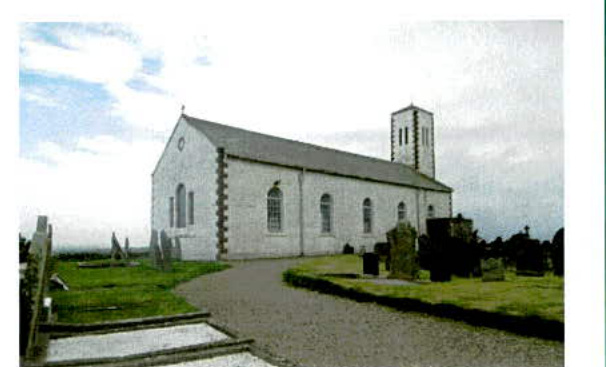
The area is well known for its strong winds and barren landscape. Coastal erosion is a factor to be considered in the area, with some dwellings being defended with concrete or rock armour. The site is however, well away from the coastline. Jurby Church \& the old Air craft control tower are visible landmarks in the area.
Land usage in the vicinity of the site is generally agricultural, alongside the Jurby air field, industrial estate and prison to the north.
The architecture of the area is generally 'Manx Vernacular' farmsteads and agricultural buildings such as traditional stone barns or more modern portal frame timber or metal clad units.
The landscape is also dotted with utilitarian structures of concrete \& brick, built during World War II, such as pill boxes, lookout towers and many other structures in and around the air field. Many are Registered.
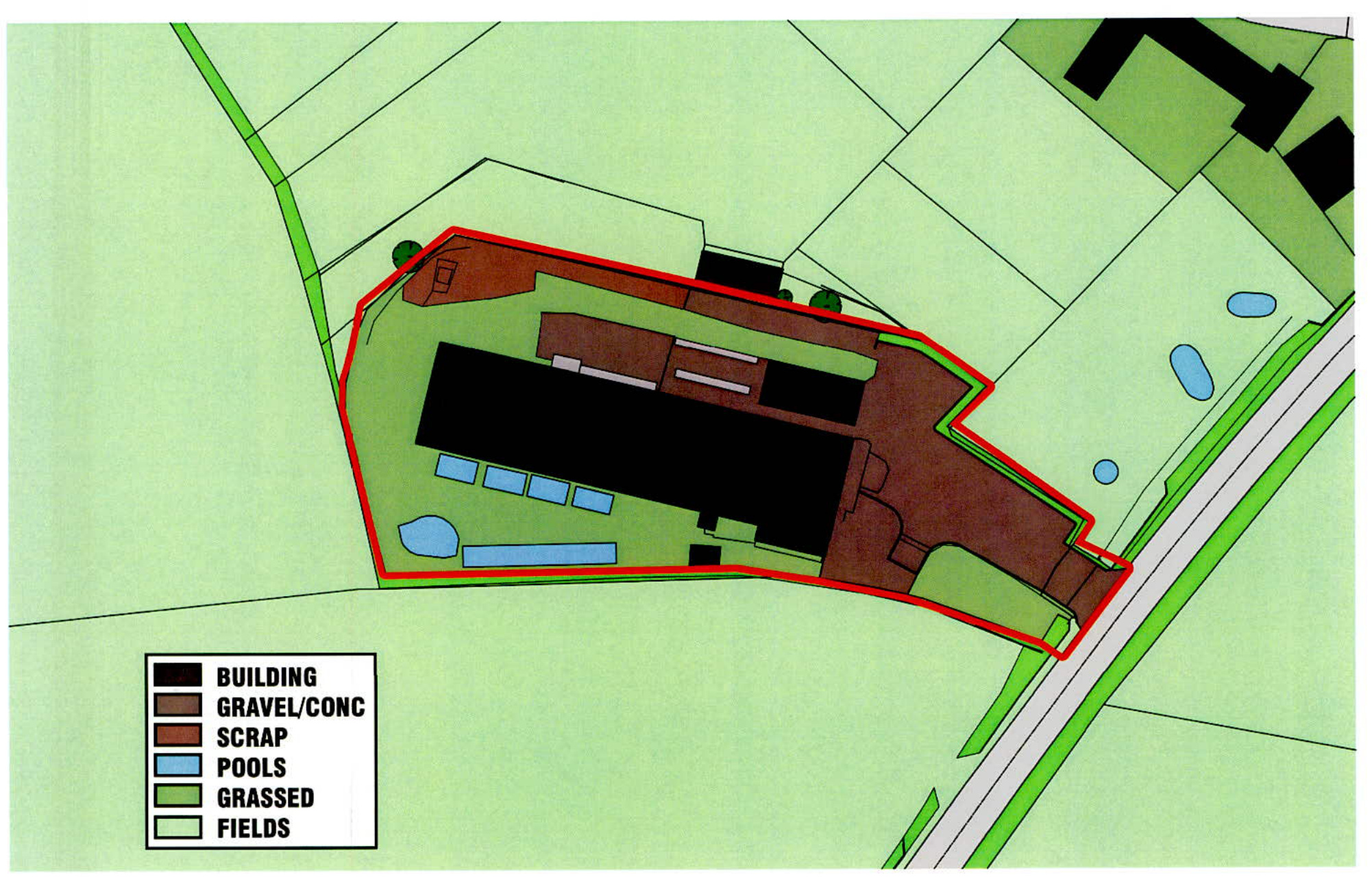
| Total site area | 3060 sq m |
| Total area covered by structures | 800 sq m |
| Main greenhouse area | 720 sq m |
| Area covered by hardstanding/gravel | 912 sq m |
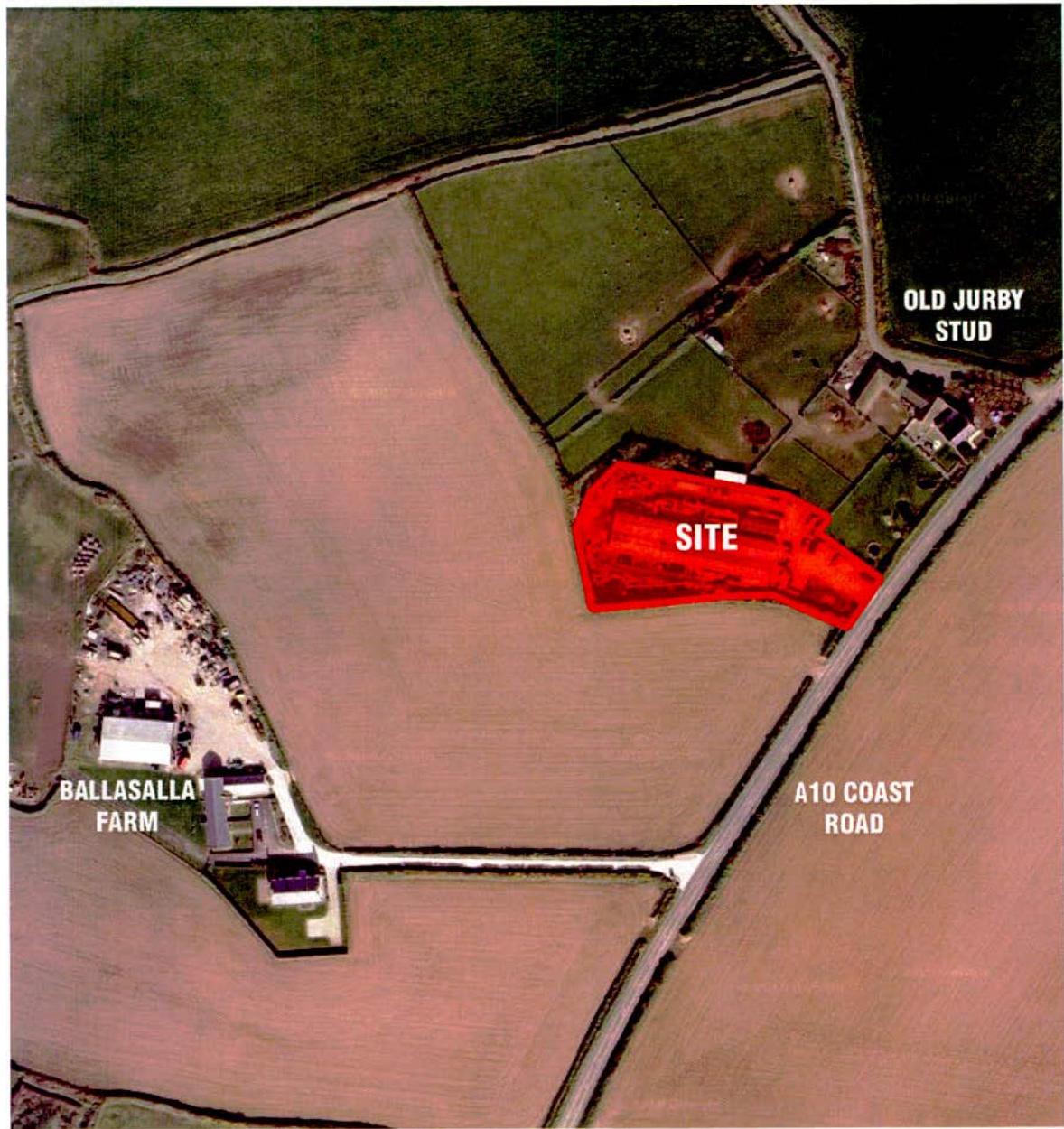
The site was a Garden Centre prior to its closing. The owners attempted to sell the business but after two years on the market, with no interest, have removed it from the market.
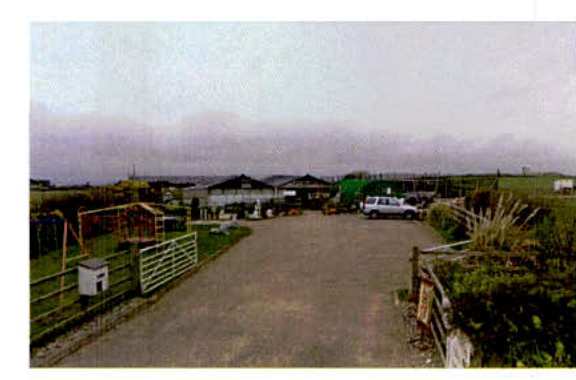
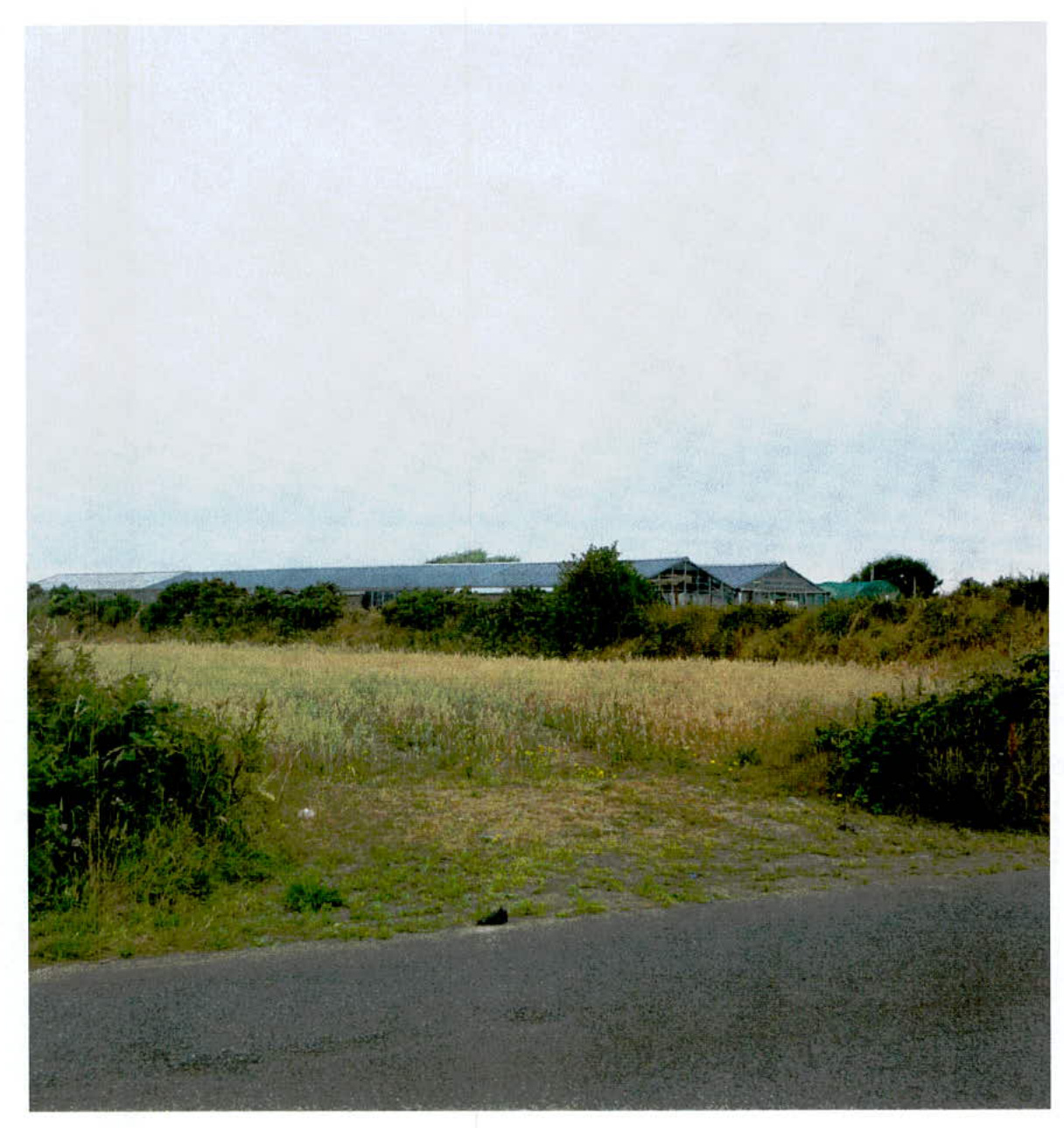
Many of the old garden centre structures are now falling into disrepair. These include large greenhouses, polytunnels and smaller sheds. Wind break fencing to the north of the site is also broken and unsightly.
A large area of the site is covered by hardstanding and gravel to allow machinery and vehicles to manoeuvre around the site. There is also a large area to the north in which scrap and old machinery is stored.
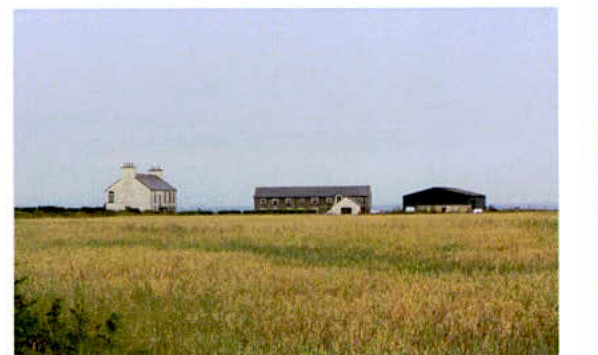
The site is surrounded by agricultural fields, with Ballasalla Farm & Old Jurby Stud the closest dwellings, these are both developments with numerous structures of varying sizes and styles.
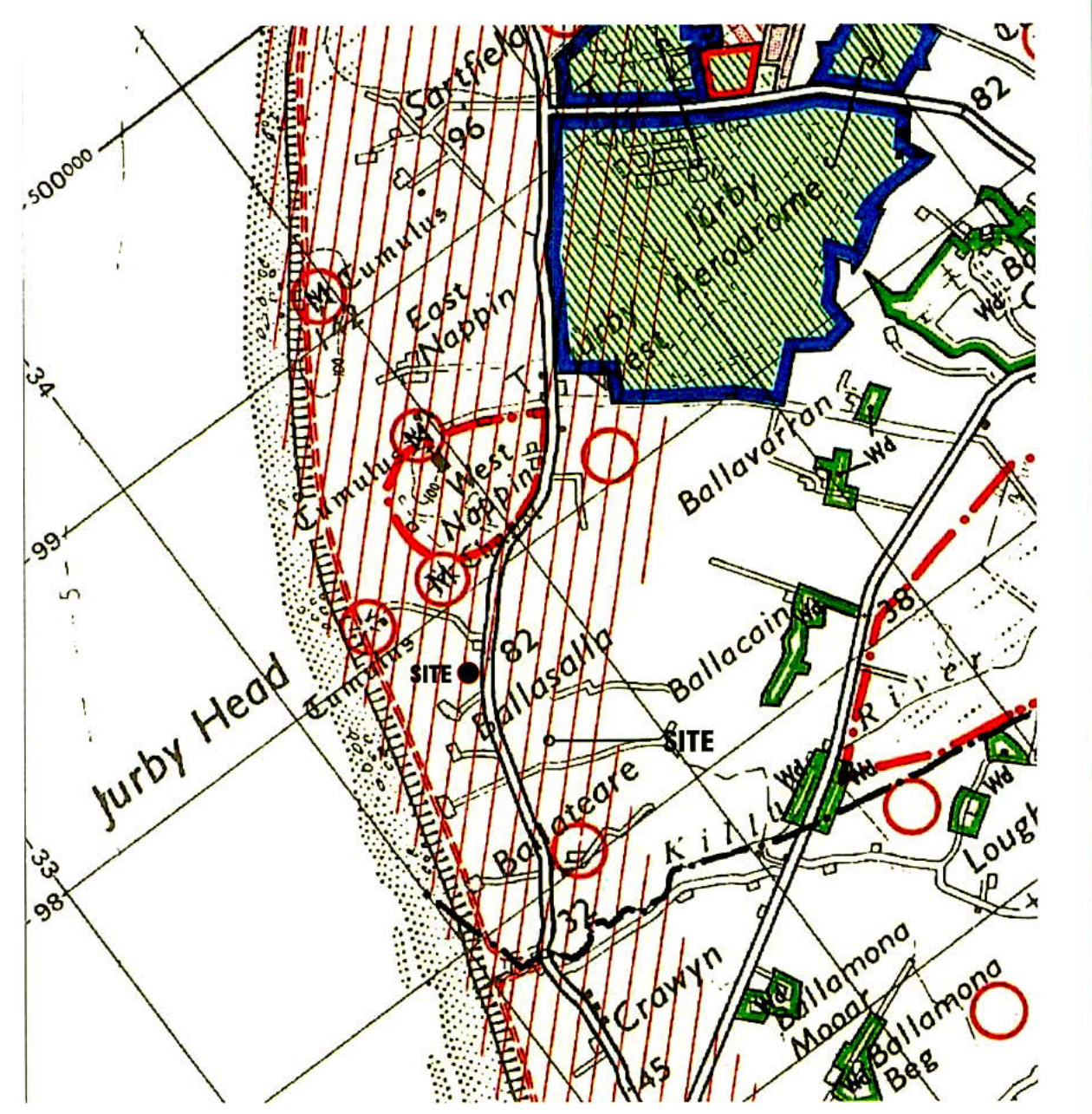
The site sits in an 'Area of high landscape or coastal value and scenic significance'.
The site is not zoned for development so the proposals will fall under General Policy 3.
Development will not be permitted outside of those areas which are zoned for development...with the exception of...(c)
Previously developed land which contains a significant amount of building; There are 800 sq m of Greenhouse, polytunnels etc.
The continued use is redundant. The Garden centre is closed and no buyer could be found for the business. (see appendix A- Client letter)
Redevelopment would reduce the impact of the current situation on the landscape or the wider environment
The proposed dwelling would be of a much smaller footprint, rather than the current large greenhouses, polytunnels and general garden centre paraphernalia with landscaped gardens rather than hardstanding.
Redevelopment would result in improvements to the landscape or wider environment A well designed dwelling would sit in the 'Area of high landscape or coastal value and scenic significance' much better than the existing situation.
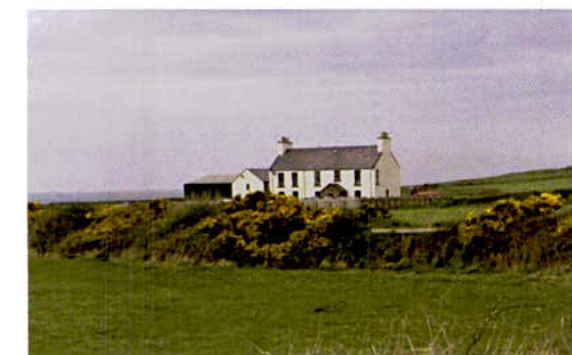
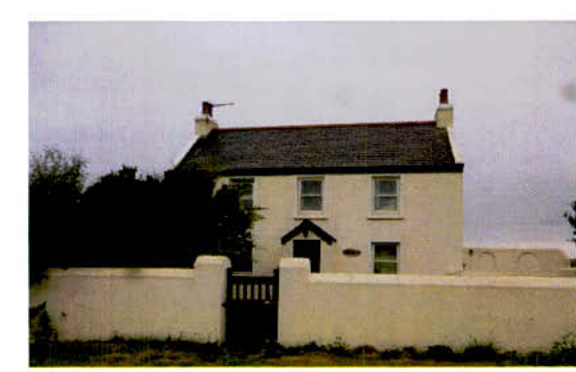
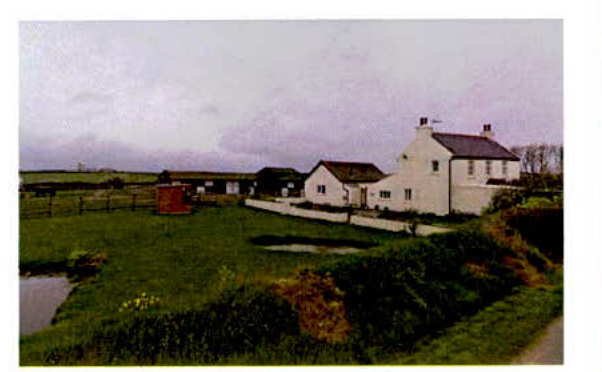
The area is littered with many 'Manx Vernacular' farmhouses, which adhere to Planning Circular 3/91 to differing degrees; two examples are next to site.
A relatively recently extended 'Manx Vernacular' dwelling with a poorly proportioned extension compared with the main dwelling.
To the rear of the house is a converted stone built barn which forms a separate dwelling & a metal clad portal frame shed.
An original correctly proportioned 'Manx Vernacular' farm house with a cat slide rear extension. To the rear are generic designed timber frame and clad stables.
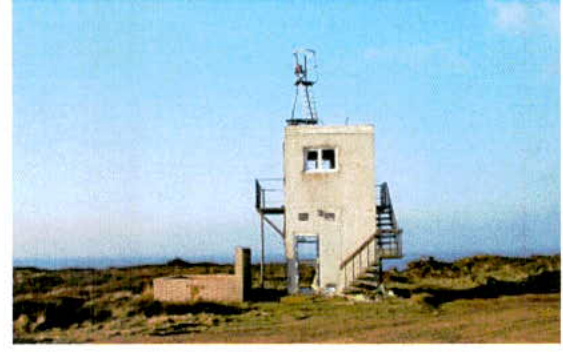
The aircraft control tower visible in the distance.
The site itself has no real sense of place. Nothing on the site is traditionally found in the Manx countryside.
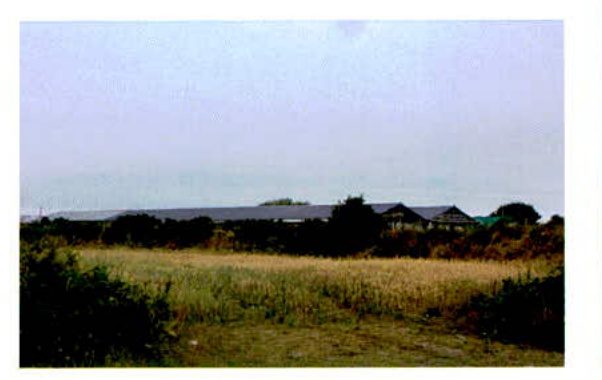
Twin peaked greenhouse, lots of hard standing/gravel, play equipment, polytunnels, general cluttered site. Aircraft control tower again visible in the distance.
There are many structures in the vicinity which can provide design inspiration.
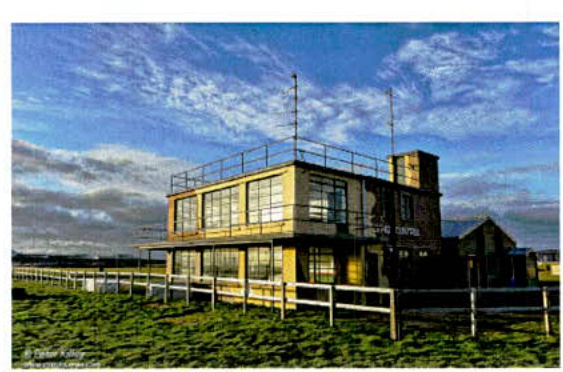
RAF jurby lookout towers and Jurby Church are visible from all around the area. They both stand out of the green landscape due to their white painted render.
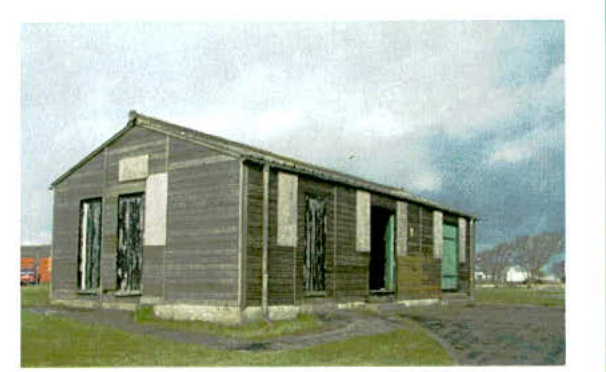
The air field is littered with many different buildings, most utilitarian (form follows function) structures. The control building has large glazed areas and a flat roof. Smaller timber clad huts have weathered to a silver/grey finish.
Dotted around the countryside are remnants from the war. Their materiality is harsh and solid looking in the soft green landscape. Concrete/brick pill boxes have long thin slit windows.
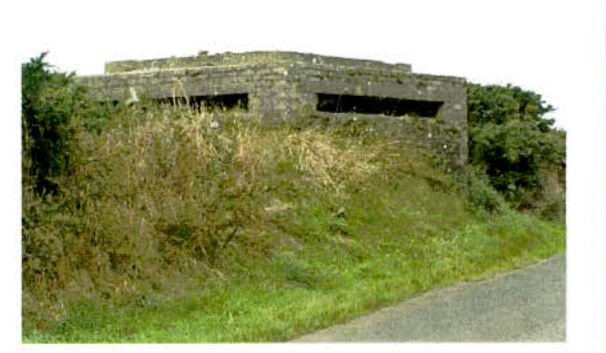
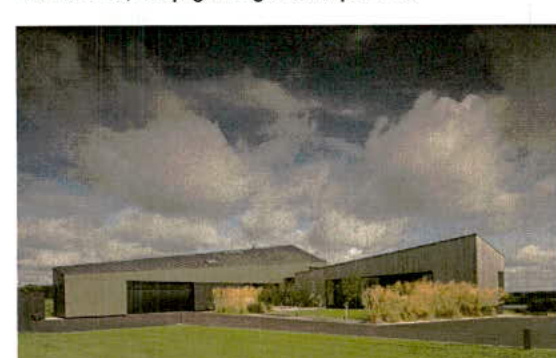
Pheasants by Williams Griffiths Architects Monolithic, strip glazing like a 'pill box'
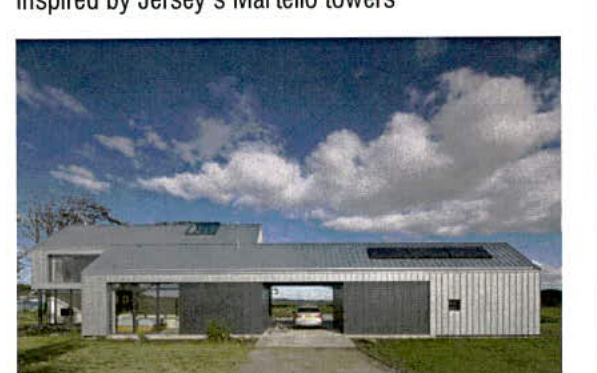
Maison Wedge by BGA Architects Barn like cladding (metal and timber)
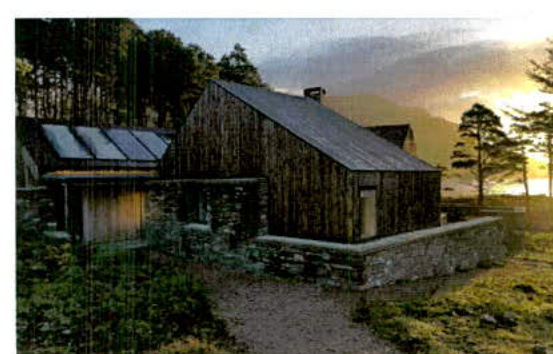
Lochside House by HaysomWardMiller A collection of smaller buildings to form a whole
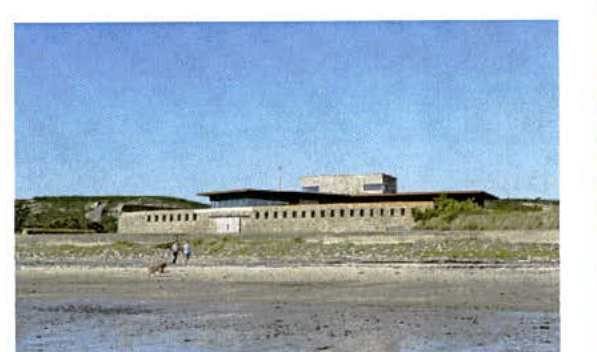
Le Petit Fort by Hudson Architects Inspired by Jersey's Martello towers
Newhouse of Auchengree by Ann Nisbet Agricultural form \& cladding (metal roof \& facade)
Edinburgh Road by A449 Architects Use of materials to sit in the site respectfully The site lends itself to a long, low (possibly single storey) dwelling due to the scale and form of the existing structures on the site. The proposed dwelling's size, form, materiality and design concept would be finalised in a reserved matters application. Here are some examples of how RIBA award winning Architects have taken inspiration from context.
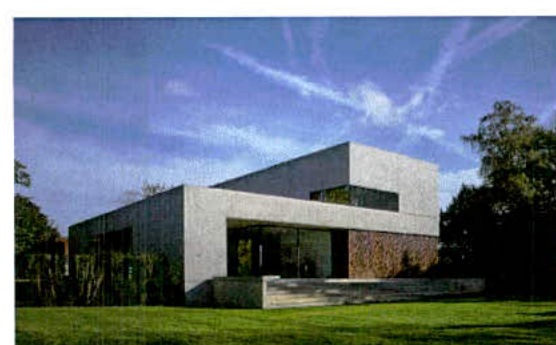
Long, thin monolithic structures which imitate pill boxes and a dwelling inspired by battlements and World War II defences. 'Agritecture' inspired dwellings take elements of their design and materials from the utilitarian portal frame barns and sheds found in the countryside, often standing out like these structures do, instead of trying to look like old farm houses.
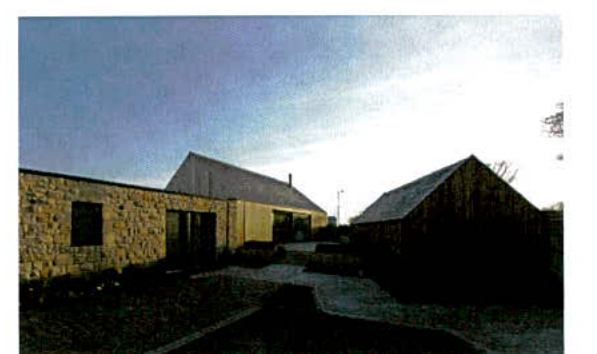
Timber and stone built dwellings allowed to weather, take cues from their surrounding context but sit in the site more subtly, often looking like they have been there for many years.
These are purely examples of using site context, many of these are much larger than we would propose here and are not representations of a final design on this site.
Copyright in submitted documents remains with their authors. Request removal
View as Markdown